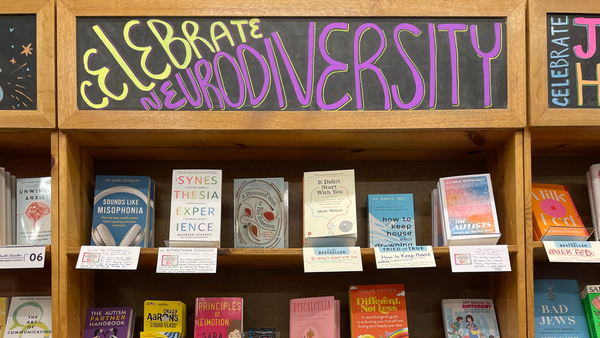
When you hear the word "autism," what image comes to mind?
For decades, the puzzle piece was the go-to symbol for autism awareness. But many in the autistic community have pushed back—arguing that this outdated symbol implies that autistic people are “incomplete” or a “mystery to solve.” In its place, a new and more empowering visual has emerged: the Autistic Color Wheel.
More than just a rainbow, this wheel reflects the reality that autism is not one thing. It is a spectrum, filled with vibrant diversity, varying needs, and unique strengths. This article explores how the Autistic Color Wheel came to be, what it means, and why it may be one of the most inclusive representations of autism to date.
A New Symbol for a Neurodiverse World

The Autistic Color Wheel was first introduced in 2021 by the advocacy group Autistic Collaboration, designed by an autistic creator. The idea was simple: represent the autism spectrum as a literal spectrum of colors. But its meaning runs deep.
Each color on the wheel symbolizes a different expression of autistic experience—ranging from sensory preferences and communication styles to social needs and emotional responses. Unlike the rigid red-blue-yellow triad used in many mainstream campaigns, this wheel avoids stereotypes and embraces fluidity.
By visually representing the idea that there’s no single “autistic profile,” the color wheel helps people understand that no two autistic individuals are exactly alike.
Autism Is a Spectrum—But What Does That Mean?

The term “autism spectrum disorder” (ASD) acknowledges the wide range of presentations and challenges associated with autism. While some people require substantial support for daily living, others may live independently but still experience difficulties with social interaction, executive functioning, or sensory regulation.
According to the Diagnostic and Statistical Manual of Mental Disorders (DSM-5), autism is characterized by:
-
Persistent challenges in social communication and interaction,
-
Repetitive behaviors or restricted interests,
-
Symptoms that appear in early childhood and affect everyday functioning.
However, these criteria only scratch the surface. Recent research reveals that neurological differences in brain connectivity, dopamine signaling, and sensory processing contribute to the diversity seen across the spectrum.
Sensory Experiences and Color Perception in Autism
One of the reasons the Autistic Color Wheel resonates so deeply is its connection to sensory experience. Many autistic individuals perceive sensory input—light, sound, touch, even color—more intensely or differently than neurotypical people.
-
Some experience color in heightened ways, describing certain hues as “loud” or “overwhelming.”
-
Others use color as a form of emotional regulation, gravitating toward calming shades like blue or green during stressful situations.
-
Color can also play a role in stim behaviors, such as visual stimming with lights or patterns, which can provide comfort or focus.
The Color Wheel captures this diversity of sensory experience, serving as both a metaphor and a practical reflection of how autism affects perception.
Breaking Stereotypes: From Rainman to Reality

Public understanding of autism has long been shaped by narrow media portrayals—often focusing on either extreme talent or extreme difficulty. But in truth, autism expresses itself in many different ways:
-
Some autistic people are non-speaking but highly expressive through writing or art.
-
Others struggle with daily transitions or loud environments but excel in creative or analytical thinking.
-
Many experience co-occurring conditions like anxiety, ADHD, or epilepsy, which add complexity to their lived experience.
Awareness campaigns often focus on recognizing autism—but that’s only the beginning. Acceptance means creating environments where autistic people are not only recognized, but also respected, accommodated, and empowered.
This includes:
-
Inclusive education that honors different learning styles,
-
Workplaces that embrace neurodiverse talents,
-
Public spaces designed with sensory accessibility in mind.
The Autistic Color Wheel aligns with these goals by shifting the narrative away from "deficits" and toward identity, diversity, and dignity.
Why the Autistic Color Wheel Matters

Symbols matter. They shape how we think, how we speak, and how we treat others. The Autistic Color Wheel invites us to see autism not as a disorder to be corrected, but as a different way of experiencing the world—full of beauty, intensity, and complexity.
It’s not just a design. It’s a declaration:
-
That autism is not a tragedy.
-
That autistic people are not broken, but whole.
- That difference should be celebrated, not silenced.
To create your own color wheel to better understand ASD, you can use this online test. Please note that the autism color wheel test is used for demonstrating a variety of traits in ASD, and is not a diagnostic tool.
If you want to learn more about using the color wheel to understand ASD, you can read Casey’s perspective in this article.
Bened Life: Support the Autism Community Through Science and Advocacy

At Bened Life, we are a U.S.-based probiotic company committed to advancing gut-brain health through clinically backed, neuro-supportive probiotics.
Our mission is to empower individuals navigating neurological conditions by offering science-driven solutions and standing as active allies to the neurodivergent community. We proudly champion neurodiversity through ongoing advocacy, educational outreach, and participation in initiatives like Autism Acceptance Month (AAM), Neurodiversity Celebration Week, sponsorships, and more.
Our flagship product, Neuralli™ MP, features the clinically-researched psychobiotic strain Lactobacillus plantarum PS128, which has been shown to support emotional balance, focus, and neurological well-being via the gut-brain axis.
Together, we’re working toward a more inclusive world—one where neurodivergent individuals aren’t expected to be “cured,” but accepted, understood, and celebrated for who they are.